


For years, we measured the wrong things
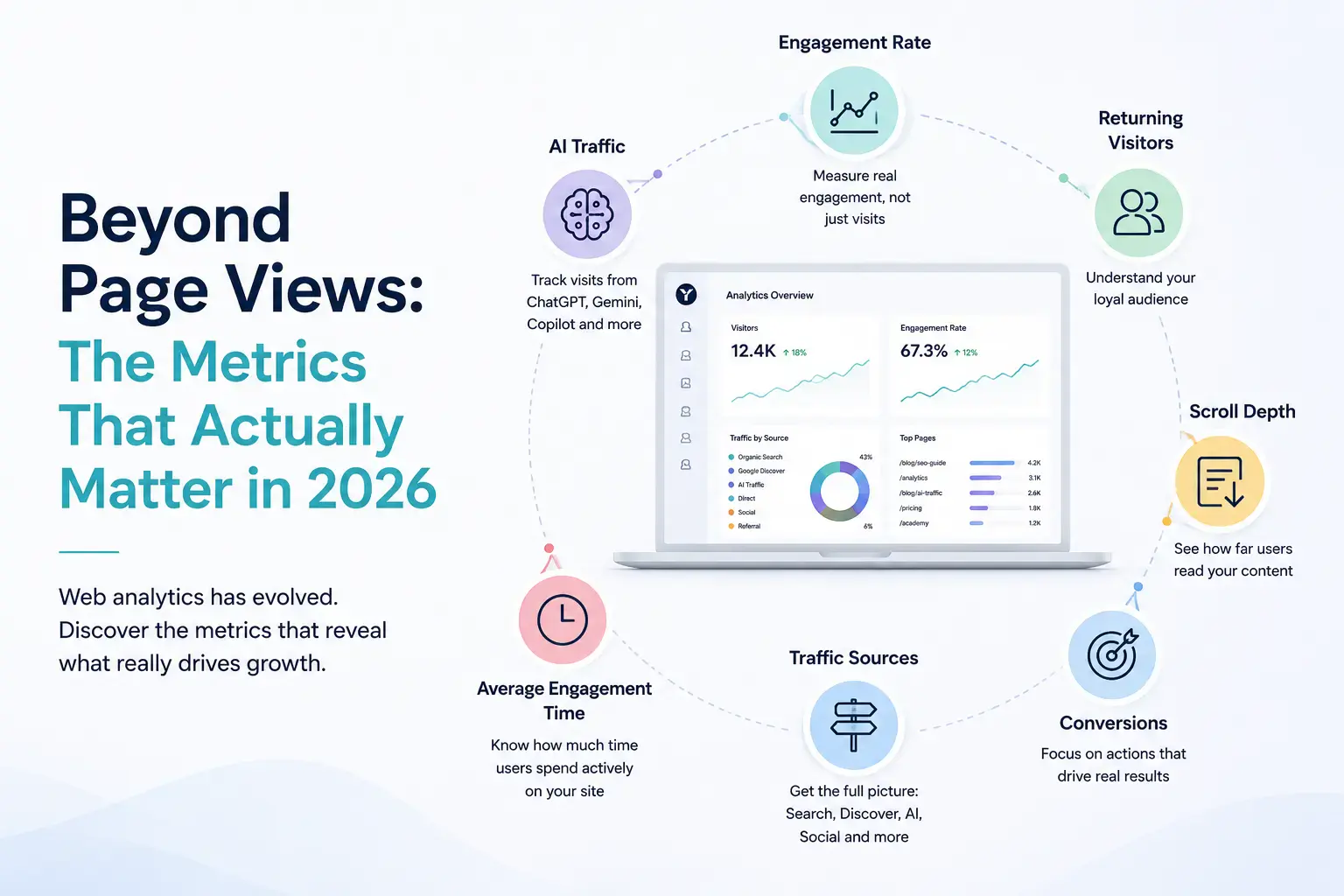
For a long time, most website owners opened their analytics tool and looked at three numbers: Page Views, users and sessions. These sat front and centre in every dashboard and, fairly or not, they decided whether a site was doing well.
They still matter. Knowing how many people visit a page or how many sessions a site generates is useful. The problem is treating those figures as the full picture.
The web has changed a great deal in recent years. Users no longer arrive solely from Google. Google Discover has become a major traffic source for publishers, social media remains relevant, newsletters have regained ground, and more recently, platforms such as ChatGPT, Copilot and Gemini are starting to send visits to millions of pages.
At the same time, consumption habits have shifted. Attracting visitors is no longer enough on its own. What matters now is understanding what people do once they land, whether they find what they came for, and whether they will come back.
That is why modern analytics is no longer just about volume. It is about understanding behaviour.
Engagement matters more than raw visits
A page can receive a hundred thousand visits a month and still deliver a poor experience. If most users leave within seconds, that traffic is hard to call a win.
This is where the Engagement Rate becomes genuinely useful.
Rather than counting arrivals, it tries to answer a far more interesting question: did people actually interact with the content?
A healthy engagement rate usually signals that the content met the visitor's expectations, that navigation felt comfortable, and that the overall experience encouraged further browsing.
If you want to dig deeper into this metric, have a look at our guide on What Is Engagement Rate?
Not all traffic carries the same weight
For years we talked about "web traffic" as though it were one thing. That view is too blunt for 2026.
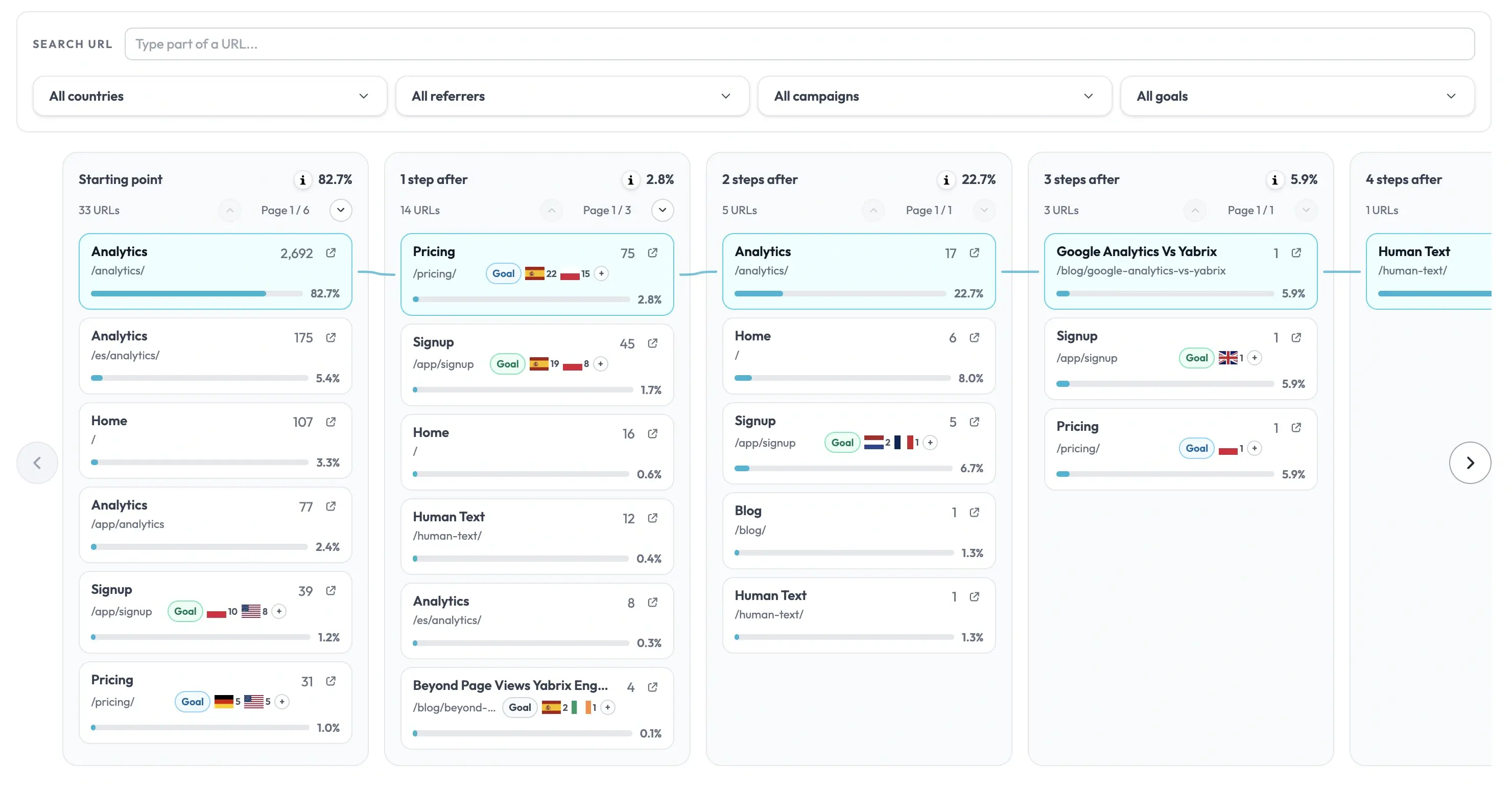
Organic search remains a pillar of any digital strategy, but it is no longer the only channel worth watching. Google Discover generates millions of visits every day. Social platforms are still a strong discovery channel. And AI-powered tools are creating a new traffic category that barely existed a year ago.
Understanding the share each source holds helps you spot gaps, reduce reliance on a single channel and stay ahead of algorithm shifts.
AI is already part of web analytics
One of the most notable shifts in recent years is the arrival of traffic from AI assistants.
More and more people use ChatGPT, Gemini, Copilot or Claude to find information. These assistants frequently recommend web pages, and users follow those links directly.
Not long ago, this traffic type simply did not exist. Today it already shows up across numerous websites, and all signs point to continued growth.
Having tools that can isolate these visits matters. It lets you see which platforms are sending traffic and how those users behave once they arrive.
For a closer look at this topic, read our guide on What Is AI Traffic?
Returning visitors tend to be the most valuable
Getting a first visit is relatively straightforward. Getting someone to come back a second, fifth or tenth time is a different challenge entirely.
Returning visitors typically represent a more loyal audience. They remember the brand, they trust the content, and they are far more likely to subscribe, engage or convert.
That makes the Returning Visitors metric more telling than it might first appear.
Reading is an interaction too
Not every valuable visit involves clicking a button or filling in a form. Often, a high-quality session is simply someone reading an article from start to finish.
Metrics such as interaction time and Scroll Depth help you understand how far a piece of content holds a reader's attention. In many cases, they tell you more than a Page View ever could.
Conversions still sit at the centre
No single metric tells the whole story on its own.
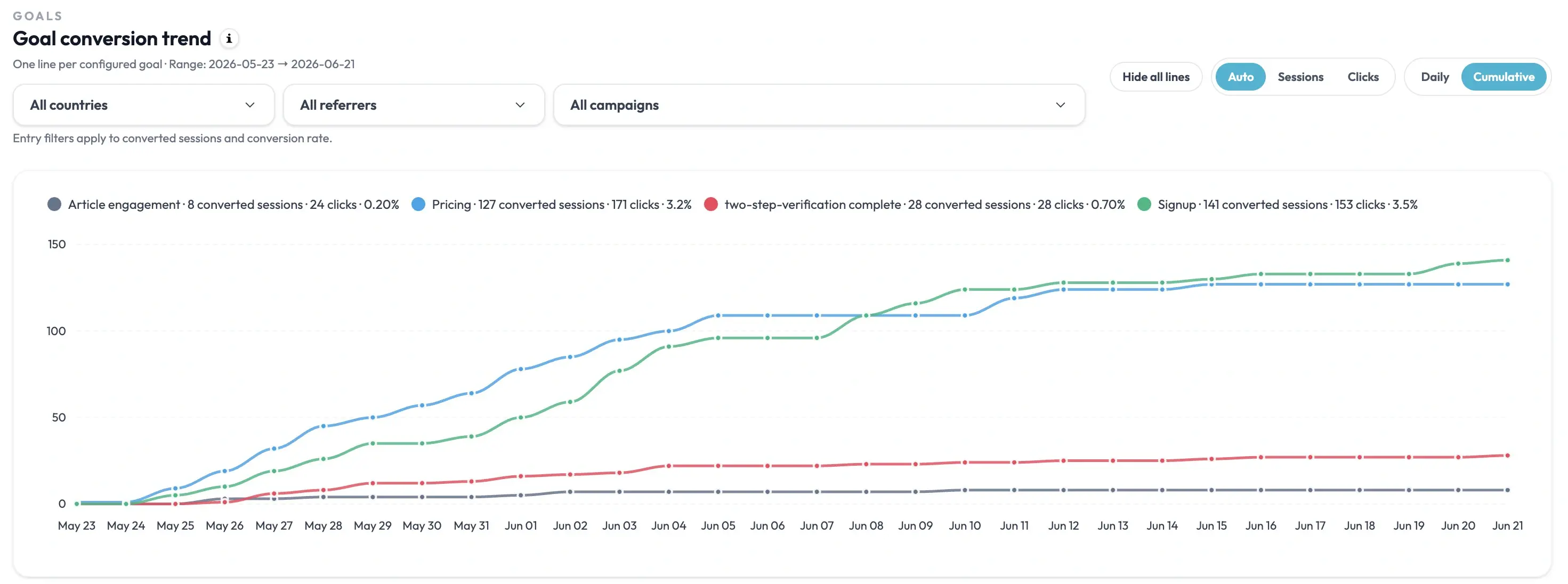
A site can show strong engagement, loyal visitors and long reading times, but if it is not meeting the goal it was built for — whether that is sales, sign-ups or lead generation — there is still work to do.
That is why conversions remain one of the most important metrics in any analytics setup.
The difference today is that we understand far more about everything that happens before a conversion takes place.
Web analytics is no longer just about counting visits
The way people discover content will keep changing. New traffic sources will appear, and analytics tools will need to keep pace.
Page Views, sessions and users will still feature in every report. But understanding traffic quality, new discovery channels and real user behaviour inside a site will carry increasing weight.
Because modern analytics is not just about knowing how many visitors you have. It is about understanding why they arrived, what they did while they were with you, and what brought them back.